Sponsorship is often pitched as a choice between two things. Either it is pure goodwill, supporting a cause you care about with no expectation of return, or it is a hard-nosed lead generation play, judged solely on the enquiries it produces. The truth is that the best sponsorships do both at once. They build genuine brand affection and create real business opportunities side by side, and they do it because they were deliberately designed to.
This guide explains how businesses can design a sponsorship that builds both brand and pipeline, why intention is what separates the two outcomes, and the practical steps that turn a logo on a sign into a genuine growth channel.
Two jobs, one investment
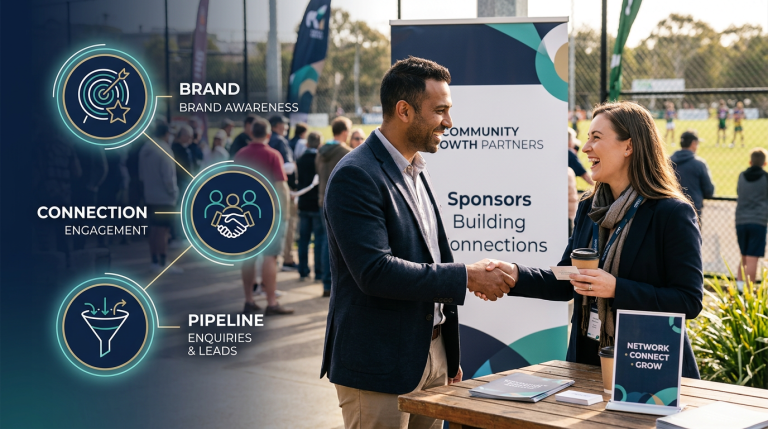
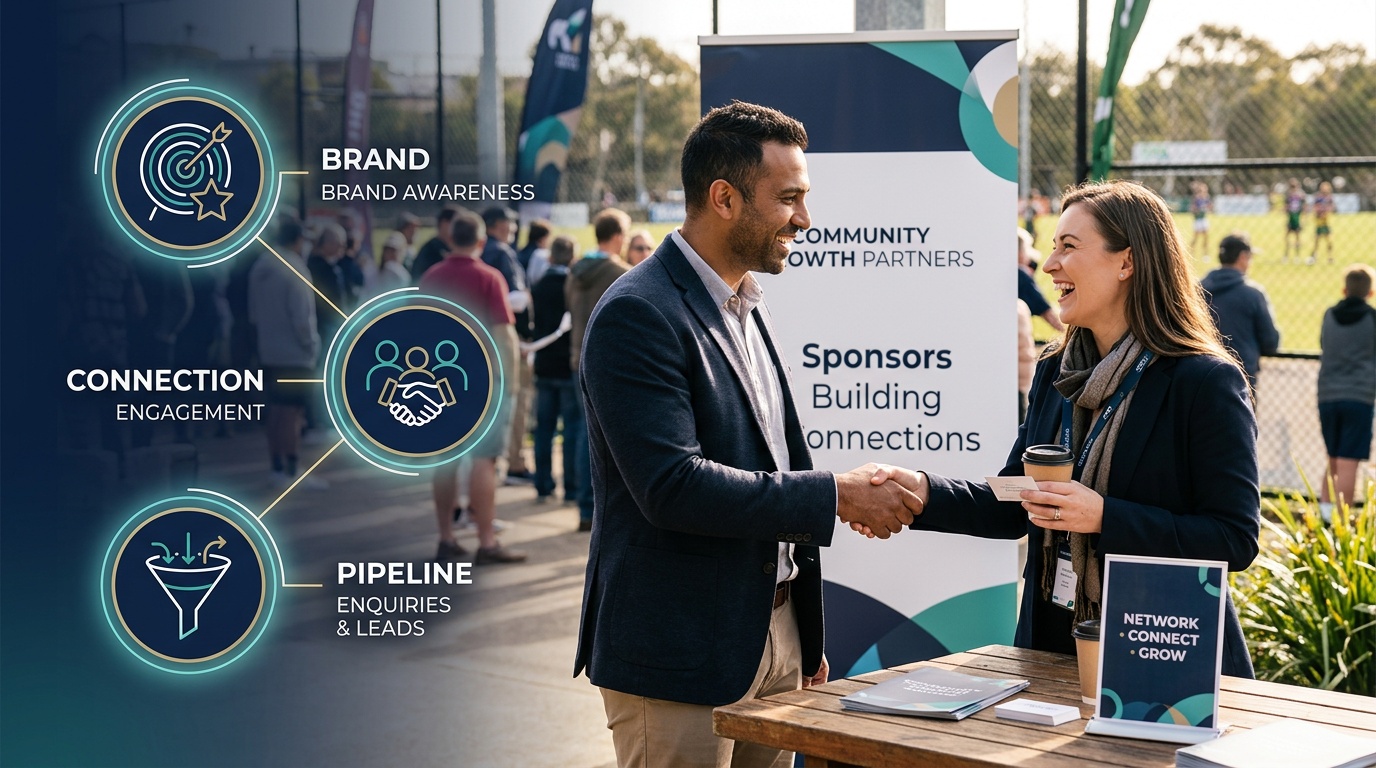
Brand and pipeline are different jobs, and a well-designed sponsorship serves both. Brand building earns familiarity, trust and goodwill over time, so people feel positive about you before they ever need what you offer. Pipeline building turns that goodwill into conversations, enquiries and customers. Most sponsorships do one accidentally and neglect the other entirely. A sponsorship designed with intention deliberately builds both, so the awareness it creates has a path to convert, and the conversions it generates rest on real trust.
The key insight is that these two jobs reinforce each other. Brand affection makes people more receptive to your offers, and the offers give the affection somewhere to go. Designed together, they compound. Left to chance, they are usually both underdone.
Why intention is everything
The difference between a sponsorship that builds brand and pipeline and one that simply costs money is intention. A sponsorship entered passively, with a cheque and a logo and no plan, tends to produce a warm feeling and little else. A sponsorship designed with clear goals, the right partner, real activation and a way to convert and measure interest becomes a genuine channel. The investment can be identical. The design is what determines whether it returns brand value, pipeline, both or neither.
How to design it
Designing a sponsorship for both brand and pipeline means making deliberate choices at every stage.
- Choose a partner whose audience genuinely matches your ideal customers, so the brand value reaches the right people.
- Agree on visibility that people actually notice and remember, not a token logo lost in a crowd.
- Add a clear reason and an easy way for people to get in touch, so awareness can convert.
- Show up in person to build real relationships, which deepens both brand affection and opportunity.
- Measure both awareness and enquiries, so you can see and improve both outcomes.
Building the brand side
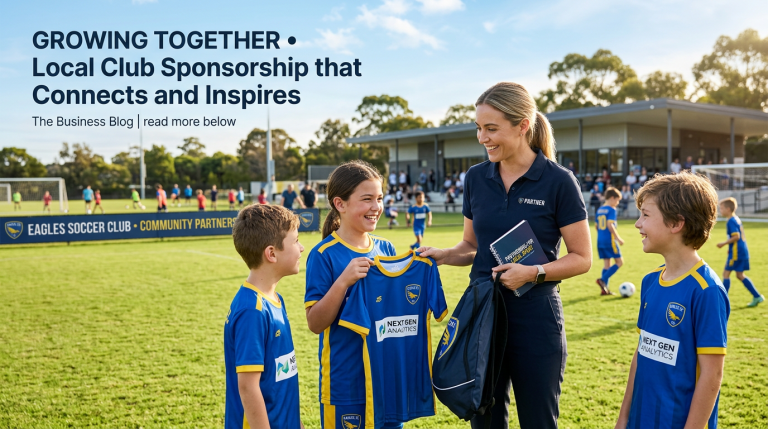
The brand side of a sponsorship is about familiarity and trust. To build it well, your presence needs to be visible, consistent and genuinely connected to the community or audience. People should see your name repeatedly, in a context where they feel positive, and come to associate your brand with something they value. This is where consistency of branding matters, so that the name people see at the event matches what they encounter online and elsewhere. Over a season, this repeated, positive exposure builds the kind of recognition and goodwill that makes every later interaction easier.
Building the pipeline side
The pipeline side is about turning that goodwill into actual conversations. This is the part most sponsorships forget. To build it, you give people a clear reason and an easy way to engage, such as a relevant offer, a simple way to get in touch, or a connection to your website so interested people can find and contact you. You capture the details of those who engage, and you follow up. Without this, the brand affection you build simply dissipates. With it, the sponsorship produces measurable enquiries on top of the goodwill, which is what turns it from a cost into an investment.
A practical example
Consider a commercial law firm sponsoring a local business chamber. A passive approach puts the firm’s logo on the chamber’s materials and leaves it there. The firm gains a little recognition among local businesses, but no enquiries follow, and after a year it questions whether the sponsorship was worth it.
A designed approach is different. The firm chooses the chamber precisely because its members are exactly the businesses the firm wants as clients, so the brand value reaches the right audience. It secures visible, memorable presence, such as speaking at events and being featured in communications, not just a logo. It offers chamber members something genuinely useful, such as a free initial consultation or a helpful guide, giving people a clear reason to get in touch. It shows up in person, building real relationships with members. And it tracks both the growth in recognition among local businesses and the enquiries that come through the chamber connection. The result is a sponsorship that builds the firm’s brand among its ideal clients and generates a steady stream of qualified enquiries, because it was designed to do both.
How Webrr Digital can help
Webrr Digital helps businesses grow through practical digital systems that bring together websites, SEO, AI visibility, automation and advertising. For sponsorship, we help you choose the right partner, secure real visibility, give people a clear path to engage, and connect it to your digital presence so it builds both brand and pipeline. If you want sponsorship that grows your reputation and your pipeline together, our sporting club sponsorships service is built for it.
Frequently asked questions
Can one sponsorship really build both brand and pipeline?
What makes the difference between a good and a wasted sponsorship?
How do I build the pipeline side?
How do I choose the right partner?
How do I measure a sponsorship like this?
Want a sponsorship that builds brand and pipeline?
A sponsorship designed with intention grows your reputation and your pipeline together. If you want help designing one, the Webrr Digital team can help.