

Ask a clinic owner how many patients are in the practice system and how many were seen in the last twelve months, and the gap is usually hundreds of people. They came for a few sessions, improved, and drifted. Nothing went wrong. Nobody followed up. Every one of them already trusts you, and reaching them costs a fraction of what a new patient costs through advertising.
Recall campaigns are the most under-used growth lever in allied health, largely because they feel like selling to people who came to you for care. Done properly, they are the opposite.
Why do recalls work when advertising is expensive?
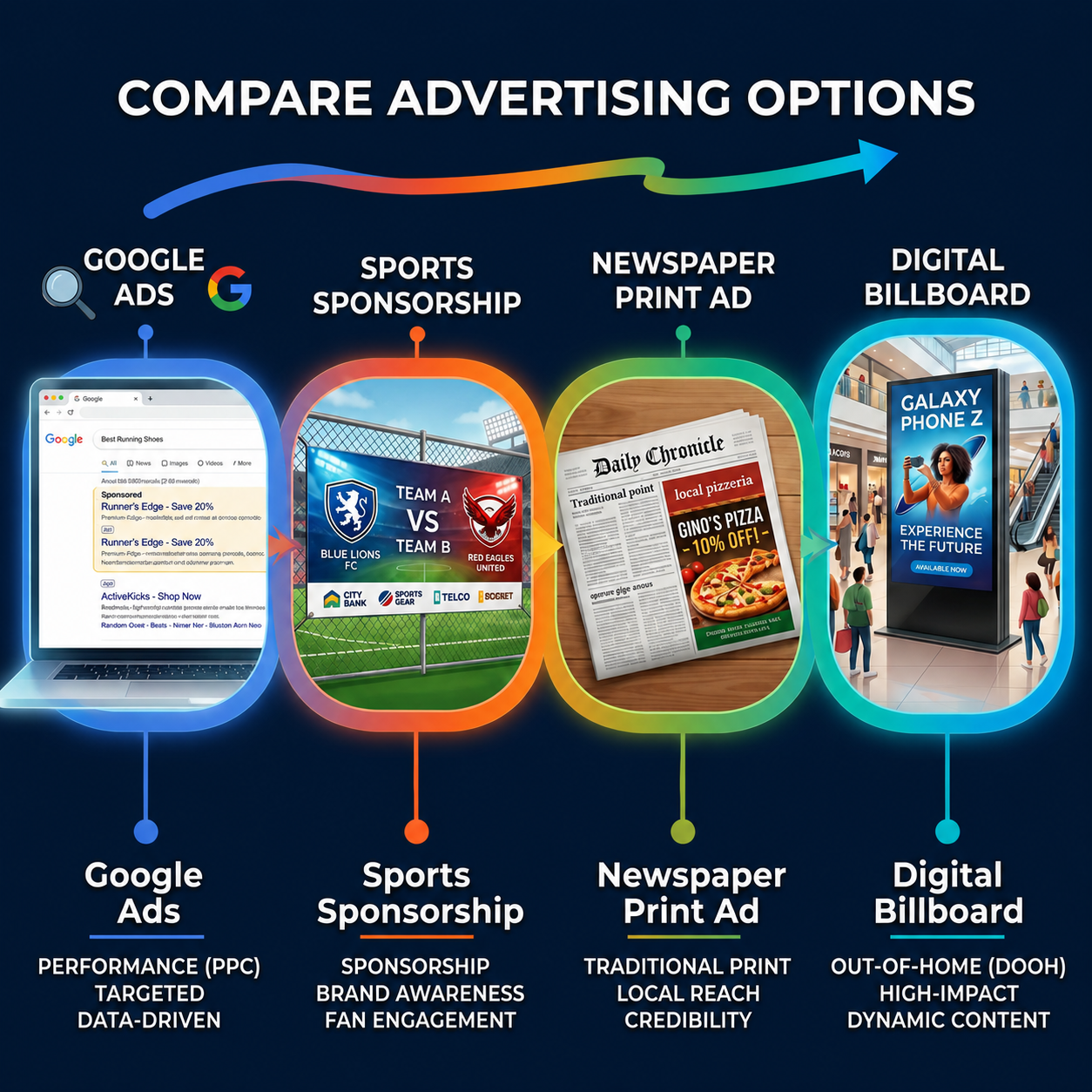
Because the hard part is already done. A lapsed patient knows the clinic, knows the clinician, and has felt the benefit. The only barrier is that life got busy and nobody suggested coming back. A new patient from search or social needs to find you, trust you and choose you, which is why acquisition costs in allied health can run to several hundred dollars per patient. A recall message costs cents, and in our experience converts at a rate no cold campaign approaches.
Who should be recalled?
Incomplete treatment plans. Patients who stopped two sessions short of the plan the clinician set. The clinical reason to return is already documented.
Review intervals. Orthotics due for reassessment, dental check-ups, annual podiatry reviews, post-injury check-ins at six or twelve months.
Seasonal cohorts. Weekend athletes before the season, runners before the autumn event calendar, gardeners before spring. The reason to return is in the calendar, not the file.
Lapsed six to eighteen months. A simple, warm check-in. Beyond two years, response drops sharply and the message needs to be gentler.
What should the message say?
It comes from the clinician, not the clinic. It gives a clinical reason, not a discount. It offers one action: a booking link into the online diary. “Hi Tom, it’s Dr Nguyen. It has been about a year since we looked at your knee and I would normally like to check how it is holding up. If you would like a review, you can book straight in here: [link].” No urgency, no offer, no jargon. The booking flow it lands on has to work on a phone in under a minute, which is the same requirement we set out in booking flows that fill the diary.
How should it run?
Automatically, from the practice system or CRM, triggered by the interval rather than by someone remembering. SMS for the first touch because it is read; email for the fuller explanation if they do not respond. One reminder a week later, then leave it for the next interval. Send in small daily batches rather than hundreds at once, so the diary fills evenly and the front desk is not overwhelmed. Recalls also protect against the gaps that no-shows and cancellations leave, because a recalled patient can be offered the slot that just opened.
What about privacy?
Health information is sensitive. Keep conditions out of SMS entirely, use the patient’s consent records to decide who can be contacted and how, and give an easy opt-out on every message. A recall that respects this reads as care; one that does not reads as marketing, and patients notice the difference immediately.
The uncomfortable part
Most clinics have the data and the tools already. What is missing is the decision that follow-up is part of care rather than an interruption to it. The clinics that make that decision fill quiet Tuesdays without spending a dollar on ads, which changes what the ad budget is for. Our Allied Health Growth System builds recalls in before it builds campaigns, and the automation that runs them is a week’s work, not a project.
Frequently asked questions
Is a recall campaign the same as a marketing email?
How far back should recalls go?
Can recalls be sent by SMS under privacy rules?
Want this looked at properly? Book a free strategy session and we will walk your numbers with you, with honest advice and no obligation.