


There are about thirteen working weeks left in the year. That is not enough time to rebuild your marketing, and it is exactly enough time to fix one thing that is costing you money every week.
A 90-day growth sprint is a deliberately narrow plan: one leak fixed, one channel proven, one number you can show in January. Businesses that run one arrive at the new year with evidence. Businesses that try to do everything arrive with a longer to-do list.
Why 90 days?
It is long enough for a change to show up in results. A follow-up fix shows in conversion rate within a month; a paid channel needs six to eight weeks of data to judge honestly; a content or SEO change needs the full quarter to be visible. It is also short enough that a small team can hold focus without a new priority arriving to replace it, which is the usual way quarterly plans die.
What qualifies for the sprint?
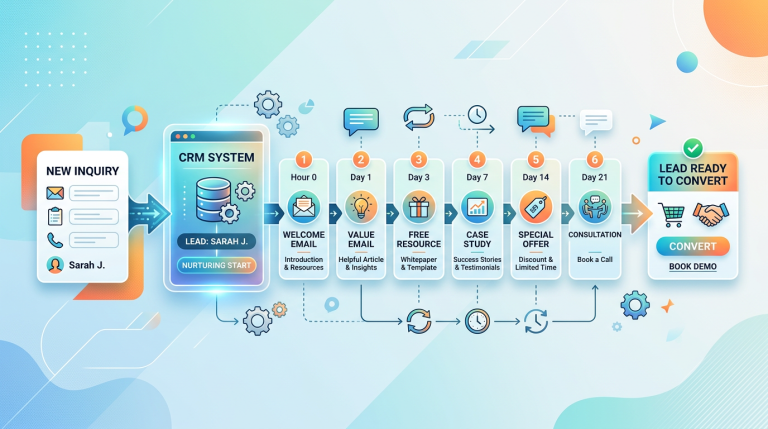
One leak. Somewhere between a stranger finding you and a customer paying you, more people drop out than should. It is usually one of three places: the website does not convert visitors into enquiries, enquiries are not followed up fast or consistently, or quotes go out and are never chased. Pick the one with the biggest gap, not the one that is most interesting.
One channel. Not two. Give a single channel a real budget, a real landing page and a real measurement, then judge it at the end of the quarter with numbers rather than feelings.
One number. The metric the whole sprint is accountable to. Enquiries, qualified leads, booked jobs, revenue from a channel. Write it down with the current value on day one so nobody can argue about progress later.
How do you choose?
Find the constraint, which is rarely the thing you feel like fixing. A business with forty enquiries a month and a 20% quote conversion does not need more traffic; it needs the quoting and follow-up fixed, and that is where the sprint goes. A business converting well but starved of enquiries has the opposite problem. Our Growth Opportunity Score exists to make this diagnosis in a few minutes rather than a few meetings, and it is usually blunt about it.
What has to wait?
Rebrands. New websites, unless the current one is genuinely the leak. New CRMs, unless follow-up is the leak and the current tool cannot do it. Anything whose result cannot be seen inside the quarter. These may all be worth doing; they are simply not sprint material, because a sprint that includes a platform migration is a migration with a sprint attached.
How do you run it?
One page, reviewed weekly. The number, its starting value, what changed this week, what changes next week. Fifteen minutes on a Monday is enough when the scope is this narrow. If you already have reporting in place, add the sprint metric to the top of it. If you do not, this is the excuse to set up the goals you can measure version rather than the vanity version.
The uncomfortable part
Most businesses choose the enjoyable thing instead of the constraint. Launching a campaign is more fun than fixing why quotes go unanswered for three days. The sprint only works if you are willing to spend a quarter on the boring bottleneck, and the businesses that do are the ones with a materially different January. If you want a second opinion on which bottleneck, that is what a strategy session is for.
Frequently asked questions
Can a sprint include a new website?
How much budget does a channel test need?
What if the number does not move?
Want this looked at properly? Book a free strategy session and we will walk your numbers with you, with honest advice and no obligation.