


Every aged care and home care provider we work with sees the same pattern: enquiries lift sharply in the first three weeks of January. Families gather over Christmas, notice that Mum is struggling more than the phone calls suggested, and the conversation that has been avoided all year finally happens with everyone in the room. By the second week of January, someone has been given the job of finding out what the options are.
The providers that take those aged care enquiries are the ones whose preparation is finished in November, because December is a poor month to build anything and the first week of January is a poor week to be understaffed.
What are families actually searching for?
Not your brand. They search the problem: “home care packages explained”, “respite care near me”, “how much does aged care cost”, “signs a parent needs more help”. They are anxious, often guilty, and usually unfamiliar with the system. The provider that answers those questions plainly, on a page that loads on a phone at 10pm, has started the relationship before any enquiry form exists. Our Aged Care Growth System begins with exactly this content, and the tone principles are in marketing aged care with trust, dignity and clarity.
What needs to be ready before December?
The hard-question pages. Costs and how funding works, waitlists and how long they really are, what happens on a first visit, what a tour involves. Families are afraid to ask these on the phone. Answer them in writing.
A tour or consultation booking that works when the office is thin. The first week of January often runs on skeleton staff. An online booking flow with realistic slots means a family can secure a time on 4 January without a receptionist, and a confirmation that explains what to bring and who they will meet lowers the anxiety of showing up.
Enquiry coverage over the break. An enquiry sent on 28 December that is answered on 12 January has already gone to another provider. Set an honest automated acknowledgement with a real response date, and have one person checking the inbox every second day. The mechanics are the same as in missed-call text-back.
Your listings. Holiday hours, correct phone numbers, current photos. Families compare three or four providers in a sitting and an out-of-date listing reads as an out-of-date service.
What should happen after the enquiry?
A follow-up that respects the weight of the decision. Not a sales cadence; a short sequence that sends the information they asked for, offers a tour, and then checks in once a fortnight with something useful. Families take weeks to decide, often because the parent is not yet ready, and the provider still gently in touch when they are is the one that gets the placement. We build that sequence in the CRM rather than leaving it to whoever remembers.
What about advertising?
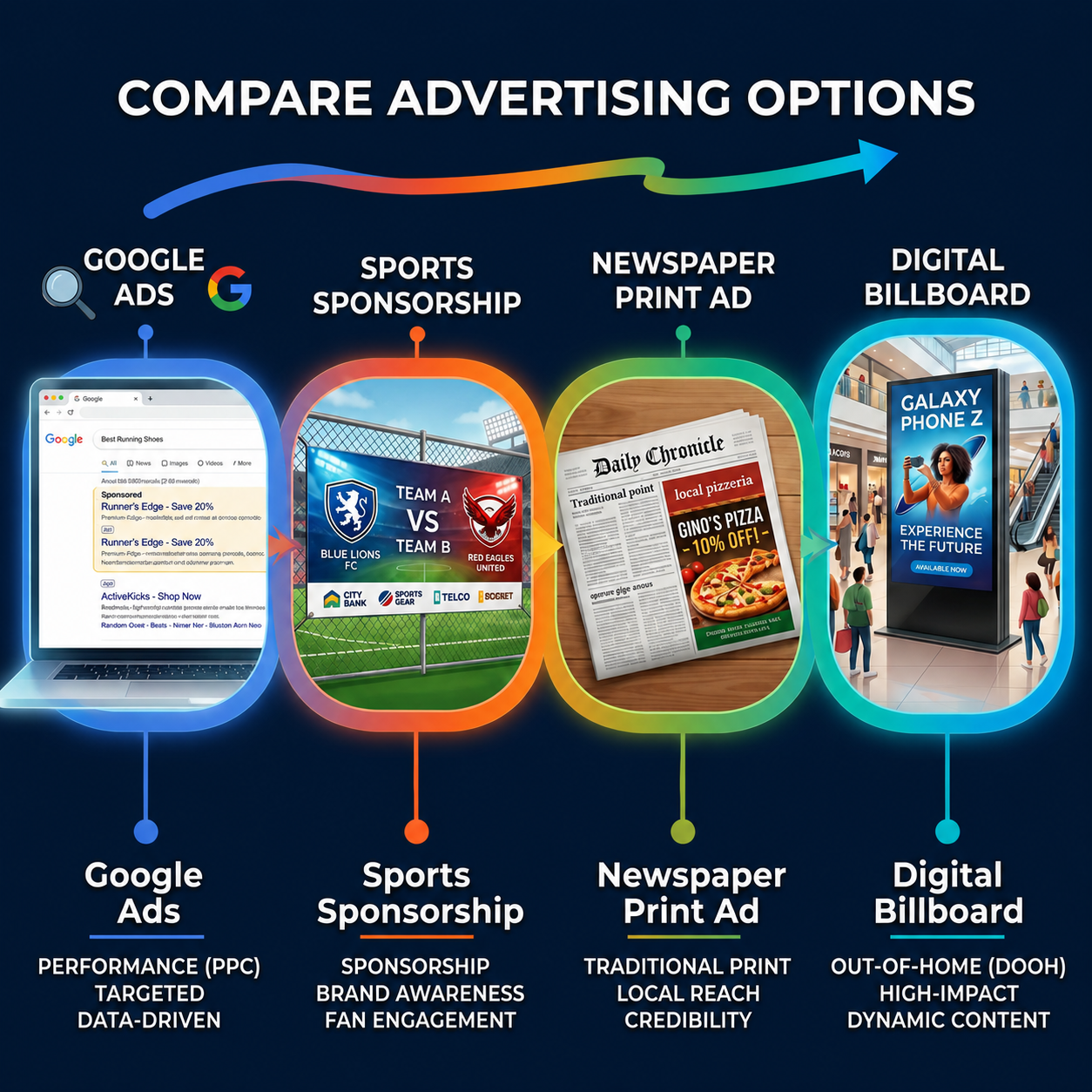
Start search campaigns on the problem terms in the last week of December, not the first week of January, so they have learned by the time volume arrives. Keep the creative calm and informational. This is not a category where urgency works, and families can tell.
The uncomfortable part
If you are reading this in January, most of the above is too late for this year’s spike and exactly on time for next year’s. Write down what you wished had been ready, and put it in the November plan. The automation that covers the break is the one piece that can still be switched on in a week.
Frequently asked questions
When do aged care enquiries actually peak?
What content matters most for aged care websites?
How quickly should we respond to an enquiry over the holidays?
Want this looked at properly? Book a free strategy session and we will walk your numbers with you, with honest advice and no obligation.